

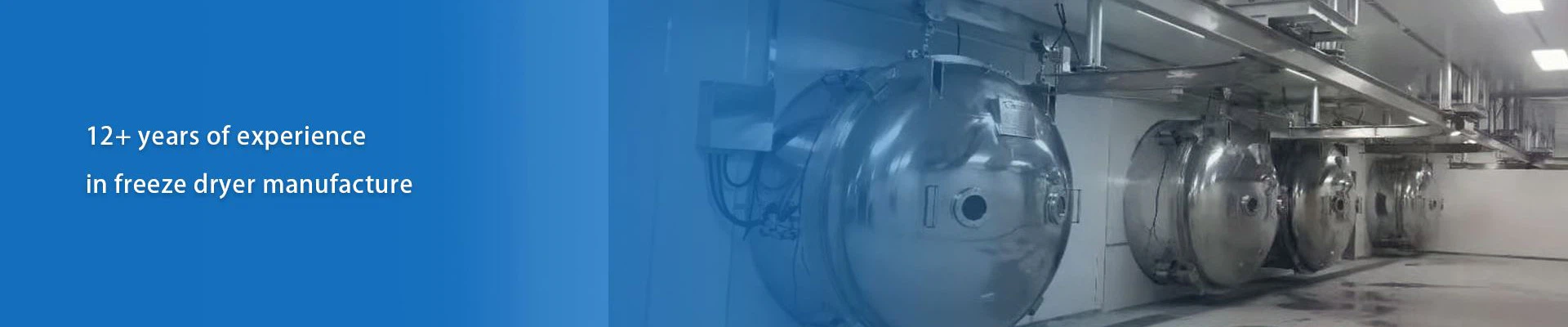
Freeze-drying technology plays an important role in food manufacturing and has a significant impact on costs. Understanding how this technology impacts food manufacturing costs can help us better understand its applications and benefits in the food industry.
First, let's understand what freeze-drying technology is. Freeze-drying technology, also known as freeze-drying technology, is a method of freezing food at low temperatures, and then directly converting the moisture in the solid state into a gaseous state, bypassing the liquid state, and finally obtaining dry food. This technology can extend the shelf life of food while maintaining its nutritional content and texture, so it is widely used in food manufacturing.
The impact of freeze-drying technology on food manufacturing costs is reflected in many aspects. First of all, freeze-drying technology requires higher investment costs than traditional drying methods such as spray drying. The establishment of equipment and processes requires large capital investment, which will increase the fixed costs of food manufacturing to a certain extent.
Secondly, freeze-drying technology takes a long time during the production process. The freeze-drying process usually takes longer to complete than traditional oven drying or spray drying. This means that within the same production cycle, freeze-drying technology may lead to a reduction in production capacity, thereby increasing the production cost per unit product.


